

Let’s be honest—life is hectic. Between work, social obligations, and trying to catch up on sleep, taking care of yourself often feels like just another chore on an endless to-do list. But here’s the thing: living healthier doesn’t have to mean hours at the gym, giving up all your favorite foods, or waking up at 5 a.m. every day. Small, consistent lifestyle habits can make a huge difference over time.
I’ve tried my fair share of “health hacks,” from detox teas to intense workout challenges, and let me tell you, most of them don’t stick. The real game-changers are simple, realistic habits that fit naturally into your daily life. In this article, I’ll walk you through actionable, practical ways to improve your health—without turning your life upside down Simple Lifestyle Habits for Health.
Start Your Day with a Mindful Morning Routine
Mornings are underrated. I used to rush out of bed, grab a coffee, and stumble into my day, feeling like a zombie until lunch. It wasn’t until I started paying attention to my morning habits that I noticed a real difference.
simple lifestyle habits for health
Hydrate First Thing
Your body has been fasting all night, and it’s dehydrated. Drinking a glass of water as soon as you wake up wakes up your metabolism, helps your brain function better, and even reduces morning grogginess. Tip: add a slice of lemon for a gentle detox boost and a little flavor.
Move Your Body—Even Just a Little
You don’t need an hour-long workout. Even five minutes of stretching, yoga, or a quick walk around the block improves circulation, wakes you up, and sets a positive tone for the day. Personally, I do a mix of light stretches and cat-cow yoga poses—it takes two minutes and feels amazing.
Set a Positive Tone
Take a minute for yourself before the day begins. Whether it’s journaling, deep breathing, or simply sitting in silence with your coffee, this small habit reduces stress and improves mental clarity. Your mind shapes your day more than you think.
Prioritize Real, Whole Foods
You’ve heard it a million times: eat more fruits and vegetables. But beyond that, the key is simple—choose whole, minimally processed foods whenever possible.
Balanced Meals Matter
Think of your plate like a colorful palette: lean protein, healthy fats, complex carbs, and plenty of veggies. You don’t have to be perfect; just aim for balance. I used to skip veggies entirely and rely on protein bars. Now, even a small salad or steamed veggies at lunch makes a huge difference in my energy levels.
Snack Smart
Snacks are inevitable, but they don’t have to derail your health goals. Keep easy, nutritious options like nuts, yogurt, or fruit on hand. Personally, roasted chickpeas are my go-to—they’re crunchy, filling, and I don’t feel guilty eating a handful or two.
Limit Sugar, but Don’t Fear It
Completely cutting sugar is unrealistic for most people. Instead, be mindful. Swap soda for sparkling water, try dark chocolate instead of milk chocolate, and save sweet treats for moments you really enjoy. Moderation is the secret sauce here.
Move Every Day—Not Just at the Gym
Exercise doesn’t have to be grueling. The real trick is consistency, not intensity.
Find Something You Actually Enjoy
I used to force myself to run every morning, hating every step. Now, I switch between dancing at home, short jogs, and weekend hikes. When you enjoy the activity, it doesn’t feel like a chore.
Incorporate Movement into Your Routine
Even if you don’t have time for a formal workout, there are simple ways to stay active:
- Take the stairs instead of the elevator
- Walk or cycle to nearby errands
- Stretch during work breaks
These tiny movements add up, and your body will thank you.
Strength and Flexibility Matter
Adding basic strength exercises, like push-ups or bodyweight squats, improves posture, bone health, and overall energy. Even 10–15 minutes a few times a week is better than nothing.
Sleep: The Often Overlooked Superpower
Sleep is not optional—it’s non-negotiable. I learned this the hard way after months of running on 5–6 hours a night, feeling like I was constantly in a fog.
Prioritize Consistency
Go to bed and wake up around the same time every day, even on weekends. Your body thrives on routine.
Create a Relaxing Evening Ritual
Screen-free time, reading, or light stretching can signal your body it’s time to wind down. Personally, I keep my phone across the room and listen to soft music for 20 minutes before bed—it drastically improves sleep quality.
Quality Over Quantity
Sometimes 7 hours of deep, uninterrupted sleep beats 9 hours of tossing and turning. Focus on sleep hygiene: comfortable bedding, a cool dark room, and limiting caffeine in the afternoon.
Stress Management: Small That Matter
Stress is unavoidable, but how we manage it is everything. Chronic stress can affect sleep, digestion, and even immunity.
Breathe, Literally
Deep breathing exercises, even for 2–3 minutes, calm the nervous system. I do box breathing during hectic work calls—it’s surprisingly effective.
Move Your Mind
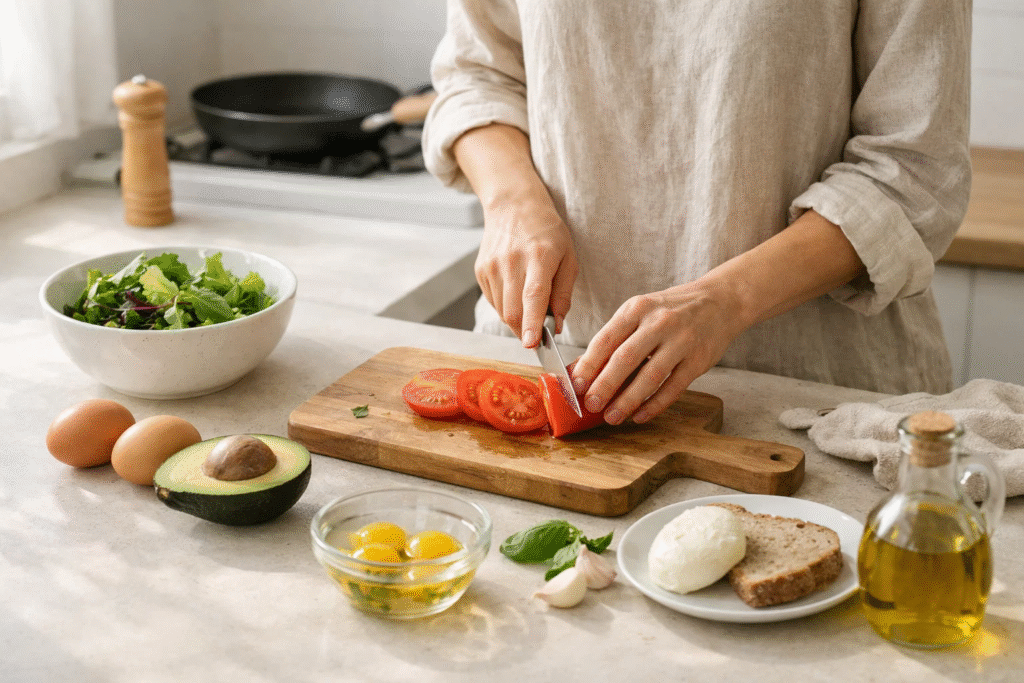
Meditation isn’t the only stress-relief tool. Journaling, listening to music, or even a short walk in nature can help. The goal is to give your mind a mini-reset throughout the day.
Set Boundaries
Learning to say no is underrated. You don’t need to attend every event, respond immediately to every email, or please everyone. Protect your mental space—it’s essential for long-term health.
Hydration Beyond Water
Yes, water is essential, but there’s more to staying hydrated than just sipping a bottle all day.
Understand Your Needs
Body size, climate, and activity level all affect hydration. If you exercise regularly or live in a hot climate, you’ll need more water.
Include Hydrating Foods
Fruits and veggies like watermelon, cucumber, oranges, and leafy greens provide extra hydration while supplying vitamins and minerals.
Limit Dehydrators
Too much caffeine or alcohol can dehydrate you. Enjoy them in moderation, and balance with extra water intake.
Mindful Eating Habits
Eating mindfully can transform your relationship with food and improve digestion.
Slow Down
Chew thoroughly and savor each bite. I used to eat lunch in five minutes at my desk—now I aim for 15–20 minutes per meal, and I feel more satisfied.
Listen to Your Body
Eat when you’re hungry, not out of boredom or stress. Stop when you’re full. It sounds simple, but it takes practice.
Make Meals Enjoyable
Even small touches, like plating your food nicely or sitting at a table instead of your laptop, enhance the experience and help you feel more nourished.
Regular Check-Ups and Self-Care
Health isn’t just diet and exercise. Routine medical check-ups and self-care habits are essential.
Preventive Health
Regular blood work, dental check-ups, and screenings help catch problems early. I know it’s easy to skip, but think of it as an investment in your future.
Mental Health Matters
Therapy, support groups, or even talking openly with friends can prevent small mental health issues from snowballing.
Personal Time
Schedule time for hobbies, relaxation, and doing things you genuinely enjoy. It may feel indulgent, but it’s necessary for holistic health.
Tweaks That Make a Big Difference
Sometimes, it’s the little things that add up.
- Take short walks after meals to aid digestion
- Stand or stretch every hour if you work at a desk
- Laugh more—humor reduces stress and boosts immunity
- Declutter your space; a tidy environment improves mental clarity
- Practice gratitude daily—it shifts focus from what’s missing to what’s present
conclusion: Health is a Journey, Not a Sprint

Living a healthier life doesn’t happen overnight, and it doesn’t require perfection. The habits that make the biggest impact are the ones you can stick to without feeling overwhelmed.
Start small. Drink more water, stretch in the morning, swap one processed snack for a fruit, and gradually build from there. Over time, these compound into noticeable changes in energy, mood, and overall well-being.
Remember: your health is your wealth, but the real magic happens when you integrate habits you actually enjoy. Choose consistency over intensity, and make your journey fun, not punishing. Your future self will thank you—and you might even enjoy the ride along the way.
Easy Ways to Feel Your Best Every Day
Let’s face it—life can get crazy. Between work, family, social obligations, and trying to squeeze in some “me time,” staying healthy sometimes feels impossible. But here’s the secret: being healthy doesn’t have to be complicated. In fact, small, consistent lifestyle habits can dramatically improve your well-being without turning your life upside down.
I’ve tried all sorts of “quick fixes” over the years, from extreme detox diets to hour-long gym routines that I never kept up. What really worked? Simple, realistic habits that fit naturally into my daily life. Today, I’m sharing practical tips and personal insights that actually make a difference.
Start Your Day with Purpose
Mornings set the tone for the rest of your day. I used to roll out of bed, grab coffee, and stumble through my morning like a zombie. When I started focusing on small morning rituals, everything changed.
Hydrate First
After 7–8 hours of sleep, your body is dehydrated. Drinking a glass of water as soon as you wake up boosts metabolism, improves brain function, and helps you feel more awake. I like adding a slice of lemon—it’s simple, refreshing, and gives you a gentle vitamin C boost.
Move Your Body
You don’t need a full workout. Even a five-minute stretch or a short walk around the house wakes up your muscles and gets your blood flowing. Personally, I mix gentle stretching with a quick yoga flow—it takes under ten minutes but makes a huge difference in energy.
Set an Intent
Spend a minute or two thinking about your goals for the day. Whether it’s finishing a work project or simply feeling calm, setting an intention primes your brain for focus and positivity.
Eat Real Food
We’ve all heard “eat your veggies,” but eating healthy is more than just avoiding junk food. It’s about choosing whole, minimally processed foods that nourish your body.
Balanced Plates
A balanced meal includes protein, healthy fats, complex carbs, and vegetables. I try to make my plates colorful—it’s not just visually appealing, it ensures I get a mix of nutrients.
Smart Snacks
Snacking is inevitable, but it doesn’t have to derail your health goals. Nuts, yogurt, or fruit are great options. I’m personally obsessed with roasted chickpeas—they’re crunchy, filling, and guilt-free.
Mindful Sugar Intake
Cutting out sugar completely is unrealistic for most people. Instead, focus on moderation. Swap soda for sparkling water, choose dark chocolate over milk chocolate, and save sweets for moments you truly enjoy.
Move Every Day
Exercise doesn’t have to be grueling. Consistency beats intensity every time.
Find What You Enjoy
I used to force myself to run every morning, hating every step. Now, I mix dancing at home, short jogs, and weekend hikes. When you enjoy the activity, it doesn’t feel like a chore.
Sneak in Activity
Even if you don’t have time for the gym, small movements help:
- Take the stairs instead of the elevator
- Walk or bike for errands
- Stretch every hour if you sit at a desk
These little habits add up surprisingly fast.
Strength & Flexibility
Even 10–15 minutes of push-ups, squats, or light resistance exercises a few times a week can improve posture, bone strength, and overall energy.
Prioritize Sleep
Sleep is a superpower we often ignore. Running on 5–6 hours of sleep left me foggy, irritable, and low on motivation.
Keep a Routine
Try to go to bed and wake up at the same time daily. Your body thrives on consistency.
Evening Rituals
Turn off screens 30–60 minutes before bed, read a book, or do light stretching. I’ve found that soft music and a cool room make a huge difference.
Quality Over Quantity
Seven hours of deep, uninterrupted sleep beats nine hours of tossing and turning. Comfortable bedding, a cool room, and limiting caffeine late in the day help immensely.
Manage Stress
Stress affects your sleep, digestion, and immunity. Managing it is just as important as diet and exercise.
Simple Breathing
Even two minutes of deep breathing can calm your nervous system. Box breathing during hectic moments has become my lifesaver.
Mental Reset
Meditation isn’t the only option. Journaling, listening to music, or a short walk in nature can reset your mind and improve focus.
Set Boundaries
Learn to say no without guilt. You don’t need to please everyone. Protect your mental space—it’s essential for long-term well-being.
Hydrate Smartly
Water is vital, but staying hydrated goes beyond just drinking. Include foods like watermelon, cucumber, oranges, and leafy greens. Limit excessive caffeine and alcohol—they dehydrate you.

Practice Mindful Eating
Eating slowly and paying attention to your body’s hunger cues can improve digestion and satisfaction.
- Chew thoroughly and savor flavors
- Eat when hungry, stop when full
- Make meals enjoyable by sitting at a table instead of your laptop
Regular Check-Ups & Self-Care
Health isn’t just diet and exercise. Routine check-ups and self-care habits matter.
- Regular blood work, dental exams, and screenings catch problems early
- Therapy, support groups, or chatting with friends helps mental health
- Take time for hobbies and relaxation—it’s essential for balance
Small Daily Tweaks
Sometimes, small changes create the biggest impact:
- Short walks after meals improve digestion
- Stand or stretch every hour if you work at a desk
- Laugh often—humor reduces stress and boosts immunity
- Declutter your space—mental clarity improves
- Practice gratitude daily—it shifts focus from what’s missing to what’s present
Conclusion: Make Health Simple
Living healthier doesn’t require perfection or extreme routines. Start small, stay consistent, and build habits you enjoy. Drink water, move your body, eat nourishing food, sleep well, and manage stress. Over time, these compound into energy, vitality, and well-being.
Remember, health is a journey, not a race. Make it simple, sustainable, and enjoyable—and your future self will t Easy Tips for Daily Wellness
Staying healthy doesn’t have to be complicated. Between work, family, and life’s endless responsibilities, it’s easy to put your well-being on the back burner. But small, consistent habits can make a huge difference over time. You don’t need an intense gym routine or a strict diet—just simple lifestyle habits that fit naturally into your daily life.
Start Your Morning Right
How you begin your day sets the tone. Start with a glass of water to rehydrate your body after sleep. Even adding a slice of lemon can boost your energy and support digestion. Next, take a few minutes to move your body. A short stretch, yoga flow, or a quick walk wakes you up and improves circulation. Finally, set a small intention for the day—it could be as simple as staying calm or completing a task you’ve been putting off.
Eat Real, Balanced Food
Eating well doesn’t mean giving up everything you love. Focus on whole, minimally processed foods. Aim for balanced meals with protein, healthy fats, complex carbs, and plenty of vegetables. Snacks can be healthy too—nuts, fruits, or yogurt are easy options. When it comes to sugar, moderation is key. Enjoy treats occasionally and mindfully, instead of depriving yourself completely.
Move Every Day
Exercise doesn’t need to be extreme. The most important thing is consistency. Find an activity you enjoy, whether it’s dancing, walking, or light home workouts. Even small movements like taking the stairs, stretching at your desk, or walking after meals help your body stay active and energized. Adding a few strength exercises a couple of times a week improves posture, bone health, and overall energy.
Prioritize Sleep
Sleep is essential for both physical and mental health. Try to go to bed and wake up at the same time every day. Create an evening routine that helps you relax—reading, stretching, or listening to calm music works well. Quality sleep, even if it’s slightly shorter, is better than tossing and turning for hours.
Manage Stress
Stress is unavoidable, but you can manage it effectively. Short deep-breathing exercises, journaling, or walking in nature helps calm the mind. Setting boundaries and saying no when needed protects your mental space. Even small mindfulness practices during the day can improve focus, mood, and overall well-being.
Hydrate and Care for Yourself
Drink plenty of water throughout the day, and include hydrating foods like cucumbers, oranges, and watermelon. Regular check-ups, self-care routines, and taking time for hobbies are equally important. Health is not just about diet and exercise—it’s about creating balance in all areas of life.
Conclusion
are all about consistency, not perfection. Drink water, move daily, eat mindfully, sleep well, and manage stress. Small changes can lead to big results over time. Start today—your body and mind will thank you for it.