
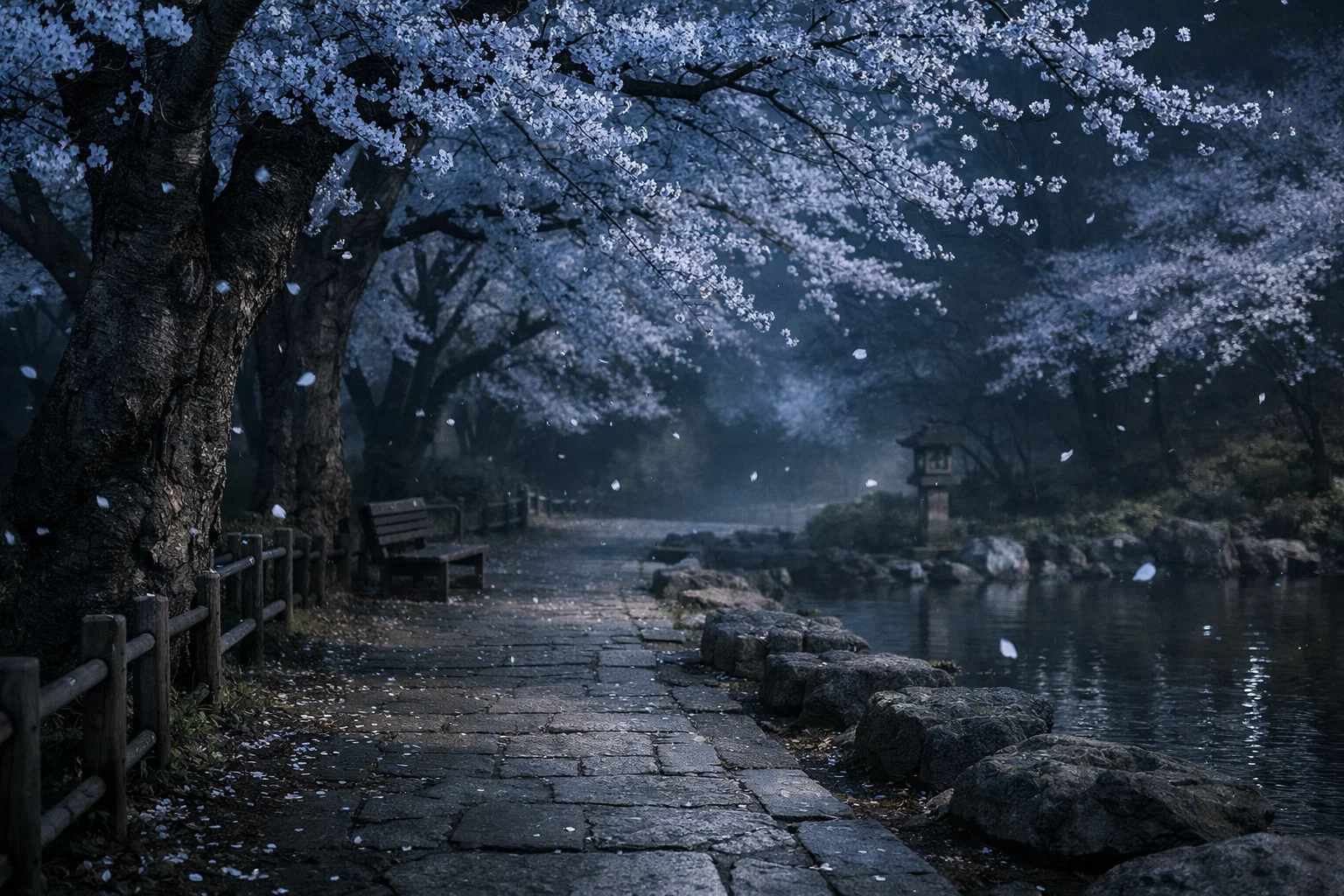
The first time I heard the phrase , I paused. Cherry blossoms are pink. Sometimes white. Occasionally a little blushy, depending on the light. But blue? That felt wrong in the best possible.
And that’s exactly why blue sakura has become such a fascinating topic.
If you’ve stumbled across the term online, you’re not alone. Searches for have quietly exploded, and people are curious. Some think it’s real. Some think it’s art. Others believe it’s symbolic, cultural, or even a brand.
So let’s talk about blue sakura honestly. No myths recycled. No robotic explanations. Just a real, human dive into what blue sakura actually is, why it matters, and why people can’t stop thinking about it.
What Is Blue Sakura, Really?
Here’s the simple truth.
Blue sakura does not exist naturally.
There are no naturally blue cherry blossom trees growing in Japan or anywhere else. Botanically speaking, sakura trees simply don’t produce blue pigment.
But blue sakura exists in another way.
Blue sakura is:
- A symbolic concept
- A visual art style
- A digital and cultural trend
- A creative reinterpretation of sakura
And honestly, that makes it even more interesting.
lives in imagination, art, photography, fashion, branding, and storytelling. It’s what happens when people take something deeply traditional and give it a surreal twist.
Why Blue Sakura Captures So Much Attention
Blue sakura works because it breaks expectations.
When you see pink sakura, your brain says, “Yes, that’s normal.”
When you see blue sakura, your brain says, “Wait… what?”
That pause is powerful.
Blue sakura feels:
- Dreamlike
- Calm but mysterious
- Familiar yet impossible
- Emotional without being loud
In a world overloaded with content, blue sakura stands out quietly. And quiet things tend to stay with us longer.
The Symbolism Behind
Traditional sakura already carries heavy symbolism:
- Impermanence
- Beauty
- Short-lived moments
- Emotional reflection
Now add blue.
Blue traditionally represents:
- Calm
- Melancholy
- Depth
- Introspection
- Silence
When you merge them, blue sakura becomes a symbol of beautiful sadness. Not depressing sadness. Thoughtful sadness.
The kind where you sit with a cup of tea and stare out a window.
The kind that feels honest.
Blue Sakura vs Traditional Sakura
Traditional Sakura
- Represents fleeting happiness
- Celebrates life’s short moments
- Feels social and communal
- Tied closely to festivals and gatherings
Blue Sakura
- Represents introspection
- Feels solitary and reflective
- Leans emotional rather than celebratory
- Feels modern, artistic, and digital
I like to think of traditional sakura as a spring picnic with friends, and blue sakura as a late-night walk alone under streetlights.
Both matter. Just in different moods.
Where Did the Trend Start?
didn’t come from one place.
It emerged slowly across:
- Digital art communities
- AI-generated imagery
- Anime-inspired aesthetics
- Fashion branding
- Mood-based photography
Artists started recoloring sakura petals blue. Designers used blue sakura in packaging. Creators paired blue sakura visuals with lo-fi music and slow-motion visuals Blue Sakura.
Over time, the idea stuck.
Once something feels emotionally right, people adopt it quickly.
in Digital Art and AI Imagery
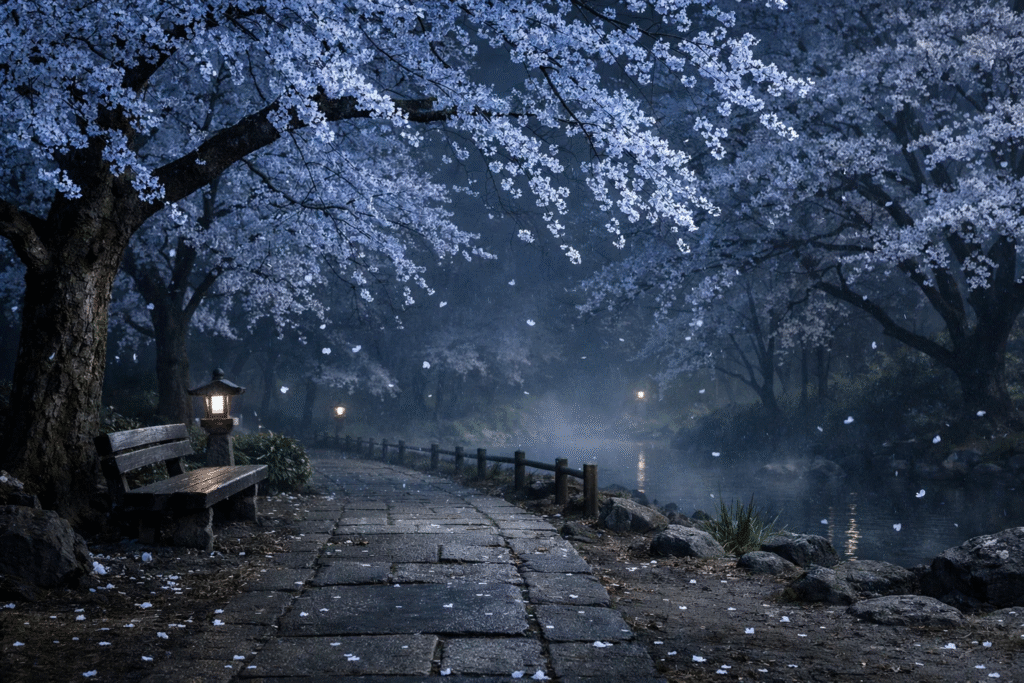
Let’s be honest. Blue thrives online.
In digital art, blue sakura is everywhere:
- Floating blue petals against night skies
- Neon-lit cityscapes with sakura trees
- Soft-focus dream scenes
- Cyberpunk-meets-nature aesthetics
AI art tools pushed even further. Suddenly, people could generate entire worlds filled with glowing trees.
And once people saw those images, they wanted more.
Why Feels So Modern
feels like it belongs to this generation.
It reflects:
- Emotional complexity
- A blend of tradition and technology
- Quiet individuality
- Visual storytelling over explanation
We live in a time where people express emotion through aesthetics. Blue sakura fits perfectly into that mindset.
You don’t explain
You feel it.
in Fashion and Branding
This part surprised me.
Blue has quietly entered:
- Streetwear designs
- Minimalist logos
- Perfume branding
- Luxury packaging
- Album artwork
Why? Because communicates mood instantly.
A brand using blue sakura signals:
- Calm confidence Blue Sakura
- Artistic depth
- Emotional intelligence
- Modern elegance
It’s subtle, and subtle sells.
Is Blue Sakura a Real Flower?
Let’s clear this up properly.
No, sakura is not a real flower.
Any images claiming real blue sakura trees are:
- Digitally altered
- AI-generated
- Color-filtered photography
- Artistic reinterpretations
There are dyed flowers and genetically modified experiments in other plants, but blue sakura remains fictional.
And honestly, that’s part of the charm.
Why People Want Blue Sakura to Be Real
Here’s my personal take.
People want blue sakura to exist because:
- We’re tired of predictable beauty
- We crave something rare
- We want symbols that match complex emotions
Blue sakura feels like emotional honesty in visual form.
It’s okay that it doesn’t exist physically. Some things are meant to stay symbolic.
Blue Sakura as a Mood, Not a Thing
Once you stop asking if blue sakura is real, everything clicks.
Blue sakura isn’t a flower.
It’s a feeling.
It’s:
- Late-night thoughts
- Quiet creativity
- Calm sadness
- Peace without happiness pressure
That’s why people connect to it so deeply.
How Blue Sakura Is Used in Content Creation
Creators love blue sakura because it:
- Sets atmosphere instantly
- Works across cultures
- Doesn’t need explanation
- Feels emotional but not dramatic
You’ll see blue sakura used in:
- Blog visuals
- YouTube thumbnails
- Music videos
- Instagram aesthetics
- Website hero sections
It gives content emotional weight without noise.
SEO Value of as a Keyword
From an SEO perspective, blue sakura is interesting.
It’s:
- Niche but growing
- Visually driven
- Low competition compared to generic terms
- Emotionally searchable
People searching often want:
- Meaning
- Images
- Inspiration
- Aesthetic context
That makes it perfect for long-form content, visual blogs, and creative niches.
How to Use Sakura in Your Own Creative Work
If you’re a creator, here’s how to use blue effectively.
1. Don’t Overexplain It
Let sakura breathe. Let people interpret it.
2. Pair It With Calm Design
Soft fonts, muted colors, clean layouts.
3. Use It Sparingly
Blue sakura works best as a highlight, not overload.
4. Keep the Mood Consistent
Blue sakura clashes with loud, aggressive.
and Emotional Storytelling
One reason I personally love is its storytelling power.Blue Sakura
You can build an entire narrative around:
- A single tree
- Falling blue petals
- A quiet scene beneath them
It invites reflection instead of demanding attention.
That’s rare.
Common Misconceptions About Blue Sakura
Let’s clear up a few myths.
- “Blue sakura is a real Japanese flower”
It’s not. - “Blue sakura is ancient folklore”
It’s modern symbolism. - “Blue sakura is just AI nonsense”
It’s creative evolution.
Blue sakura exists where art and emotion meet.
Why Blue Sakura Will Stick Around
Trends come and go, but blue sakura feels different.
It’s not loud.
It’s not forced.
It doesn’t rely on hype.
It connects quietly, which is why it lasts.
As long as people feel complex emotions, blue sakura will have meaning.
My Honest Opinion on Blue Sakura
I’ll be straight with you.
I don’t want blue sakura to become real.
If scientists suddenly announced genetically modified trees, something would be lost.
works because it lives in imagination. It’s pure, untouched by commercialization or overexposure.
Some things are better as ideas.
The Future of .
Expect to see :
- In more digital art
- In immersive experiences
- In branding that values emotion
- In storytelling and world-building
It will evolve, but the core feeling will stay the same.
Quiet. Deep. Reflective.
Blue Sakura: A Blossom That Exists More in the Heart Than in Nature
The first time I came across the term blue sakura, I genuinely paused and reread it. Sakura, as we all know, is pink. Soft, romantic, fleeting pink. That’s the image we’ve seen in photos, movies, travel blogs, and postcards from Japan. So blue sakura immediately felt strange… and oddly beautiful.
That curiosity is exactly why blue sakura keeps pulling people in.
If you’re here, chances are you’ve seen the phrase somewhere online, maybe paired with a dreamy image or a calm aesthetic. And you wondered, just like I did: What is blue sakura supposed to mean? Is it real? Why does it feel so emotional?
Let’s talk about blue sakura in a real, honest, human way.
What Is Blue Sakura?
Let’s get the obvious question out of the way.
Blue sakura is not a naturally existing flower.
There are no blue cherry blossom trees growing in Japan or anywhere else in the world. Botanically speaking, sakura trees don’t produce blue pigment. Any image you see of blue sakura is either digitally edited, artist-created, or AI-generated.
But that doesn’t mean blue sakura is fake or meaningless.
Blue sakura exists as a concept, an aesthetic, and a symbolic idea. And sometimes, ideas are more powerful than physical things.
Why Blue Sakura Feels So Captivating
Blue sakura works because it breaks expectations.
Pink sakura feels familiar. Comforting. Almost predictable. on the other hand, feels impossible. It makes your brain stop for a second.
That pause matters.
Blue sakura feels:
- Calm but mysterious
- Soft yet emotionally deep
- Familiar but surreal
It’s the kind of image that doesn’t shout for attention but still lingers in your mind long after you scroll past it.
The Meaning Behind.
Traditional sakura already carries deep symbolism. In Japanese culture, sakura represents impermanence, beauty, and the fragile nature of life. Cherry blossoms bloom beautifully, then disappear quickly. That fleeting moment is the whole point.
Now add blue to that meaning.
Blue often symbolizes:
- Calmness
- Introspection
- Melancholy
- Emotional depth
So when people talk about blue sakura, they’re often expressing quiet emotions. Not dramatic sadness. Not loud joy. Just thoughtful, reflective feeling.
Blue sakura feels like sitting alone at night, thinking about life, and being okay with not having answers.
Blue vs Traditional
Traditional Sakura
- Celebrates life and renewal
- Feels social and festive
- Associated with spring and gatherings
- Emotionally light
Blue Sakura
- Feels introspective and personal
- Leans toward solitude rather than crowds
- Often connected with night scenes or calm settings
- Emotionally complex
I like to think of traditional as a picnic with friends, and blue sakura as a quiet walk alone under the stars.
Both are beautiful. Just different moods.
Where Did the Idea of Come From?
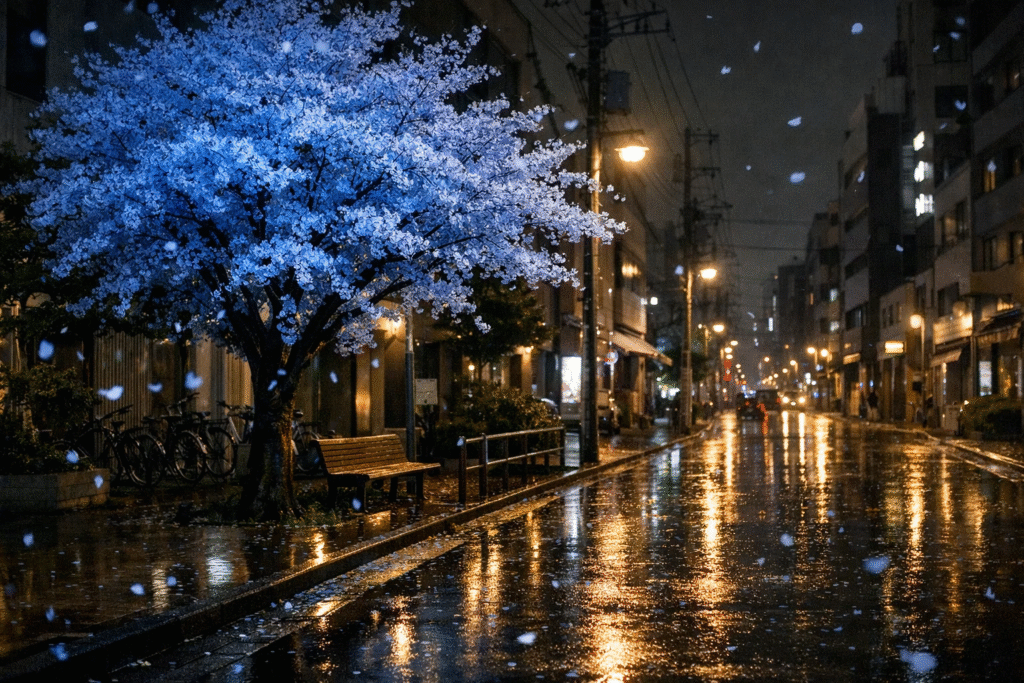
Blue sakura didn’t come from ancient folklore or traditional poetry. It’s a modern creation.
The idea grew through:
- Digital art communities
- Aesthetic-focused social media
- Anime-inspired visuals
- AI-generated imagery
Artists began reimagining sakura in different colors, especially blue, because it instantly changed the mood. Once people saw it, they connected with it emotionally, and the concept spread naturally.
That’s usually how meaningful trends are born.
Blue Sakura in Digital Art and Online Culture
If there’s one place where blue sakura truly thrives, it’s online.Blue Sakura
You’ll often see blue sakura in:
- Dreamy wallpapers
- Mood-based illustrations
- Calm music videos
- Visual storytelling projects
Blue sakura visuals are often paired with:
- Soft lighting
- Night skies
- Rain or mist
- Quiet cityscapes
The result feels peaceful, emotional, and deeply personal.
Is Real or Just Internet Fantasy?
This question comes up a lot.
is not real in nature, but it is very real in cultural and emotional terms. Humans have always created symbolic versions of nature to express feelings we can’t easily put into words.
Think about it:
- We paint skies purple
- We imagine golden forests
- We write about black roses
Blue sakura belongs in that same space.
Why People Wish Existed
Here’s my honest take.
People want to be real because modern life is emotionally complex. We’re not always happy or sad. Sometimes we’re just… reflective.
Blue matches that emotional middle ground.
It doesn’t pressure you to celebrate.
It doesn’t force you to be sad.
It simply exists quietly.
That’s rare
as an Aesthetic
sakura has quietly become an aesthetic of its own.
This aesthetic usually includes:
- Muted color palettes
- Soft blues and cool tones
- Minimalist composition
- Emotional storytelling
You’ll see blue sakura used in:
- Website hero images
- Album artwork
- Brand visuals
- Creative blogs
It communicates mood instantly without explanation.
Using Blue Sakura in Creative Work
If you’re a creator, designer, or writer, blue sakura can be a powerful tool.
Keep It Subtle
Blue sakura works best when it’s not overused. One strong image is better than ten weak ones.
Match the Mood
Pair with calm typography, soft lighting, and quiet layouts.
Let the Audience Feel
Don’t explain everything. Blue invites interpretation.
Common Myths About Sakura
Let’s clear up a few misunderstandings.
- sakura is a rare Japanese flower
It’s not. - Blue sakura comes from ancient legends
It’s modern symbolism. - is meaningless AI art
It’s emotional expression through visuals.
Once you understand that, everything makes sense.
Why Sakura Works So Well Online
Blue sakura fits perfectly into modern internet culture.
People today connect more with:
- Mood than explanation
- Aesthetic than noise
- Feeling than facts
Blue sakura delivers all of that instantly.
Will Last or Fade Away?
Trends usually burn bright and disappear fast. sakura feels different.
It’s quiet.
It’s emotional.
It doesn’t rely on hype.
As long as people seek calm, reflection, and emotional depth, blue will stay relevant.
My Personal Thoughts on
I’ll be honest.
I don’t actually want to become real. If someone genetically engineered blue cherry blossoms tomorrow, something would be lost.
Blue sakura works best as an idea. A feeling. A shared understanding.
Some things are more beautiful when they exist only in imagination.
Final Thoughts: Why Matters
reminds us that beauty doesn’t have to be physical to be real. Some of the most meaningful things live in emotions, art, and shared silence.
is not a flower you pick.
It’s a moment you feel.
And in a world that moves too fast, that quiet beauty is something worth holding onto.
Blue Sakura: A Quiet Beauty That Lives Between Reality and Imagination
The idea of blue sounds almost unreal at first. Sakura, or cherry blossoms, are deeply tied to soft pinks, whites, and springtime warmth. That’s the image most of us grew up with. So when the phrase blue sakura appears, it stops you for a moment. It feels wrong in a technical sense, but emotionally, it feels strangely right.
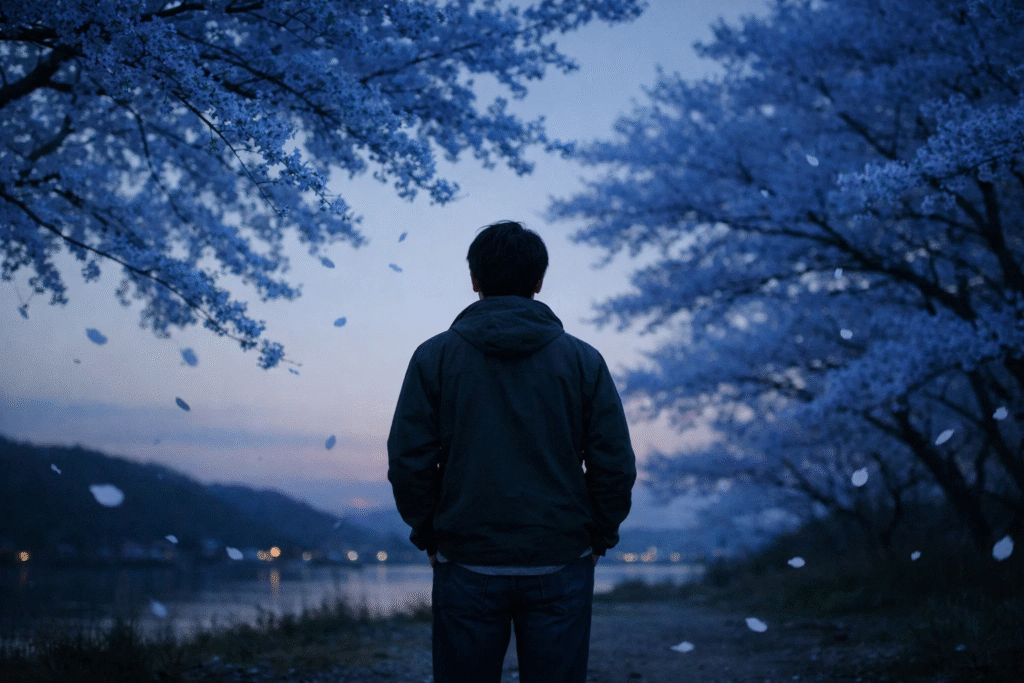
I remember the first time I saw an image labeled blue sakura online. It wasn’t loud or dramatic. It was calm. Almost silent. And for reasons I couldn’t fully explain, it stayed with me longer than most visuals do. That’s the quiet power of blue sakura.
This article is not about proving whether blue sakura exists in nature. It’s about understanding why the concept of blue sakura has become meaningful to so many people and why it continues to grow in popularity.
What Exactly Is
Let’s be honest and clear.
is not a naturally occurring flower.
There are no cherry blossom trees that bloom blue in the real world. Botanically, sakura trees don’t have the pigment needed to create blue petals. Any photo you see of is edited, illustrated, or generated through digital tools.
But blue sakura still exists.
It exists as a concept, an aesthetic, and a symbolic idea. And sometimes, ideas have more emotional weight than physical objects.
Why Feels So Emotional
Traditional sakura already carries strong meaning. In Japanese culture, sakura symbolizes impermanence, beauty, and the fragile nature of life. The blossoms bloom beautifully, then fall quickly. That short lifespan is what makes them special.
Now imagine that same symbolism, but colored blue.
Blue is often associated with calmness, introspection, and quiet sadness. Not the heavy kind of sadness, but the thoughtful kind. The kind you feel late at night when everything is quiet and your mind starts wandering.
When people talk about blue , they’re often expressing emotions that don’t fit into simple categories like happiness or sadness. Blue represents emotional depth without drama.
Traditional sakura feels social. Festivals, picnics, crowds, laughter. It’s spring energy.
Blue feels personal. Solitary. Calm. It’s not about celebration, but reflection.
If traditional is a sunny afternoon with friends, is a quiet evening walk alone. Both are meaningful. They just speak to different emotional moments.
Where the Idea of aCame From
is a modern creation.
It grew slowly through:
Digital art communities
Aesthetic-focused social platforms
Anime-inspired visuals
AI-generated imagery
Artists began reimagining sakura in blue because it instantly changed the mood. Pink feels warm and alive. Blue feels calm and distant. Once people saw blue sakura visuals, many felt an emotional connection, even if they didn’t fully understand why.
That’s usually how powerful ideas spread. Not through explanation, but through feeling.
Blue Sakura in Digital Art and Online Culture
Online spaces are where truly thrives.
You’ll often see blue sakura paired with:
Night skies
Soft lighting
Rain or mist
Quiet city backgrounds
These visuals feel peaceful, slightly melancholic, and deeply personal. They don’t demand attention. They invite you to pause.
That’s rare in a fast-scrolling world.
Is Real or Just Fantasy?
Technically, blue sakura is fantasy. Emotionally, it’s very real.
Humans have always used imagined versions of nature to express feelings. We write about black roses, golden skies, and silver moons. Blue sakura fits perfectly into that tradition.
It’s not meant to be taken literally. It’s meant to be felt.
Why People Want Sakura to Be Real
Here’s my honest opinion.
People want blue to exist because modern life is emotionally complex. We’re often overwhelmed, overstimulated, and constantly expected to be productive or positive.
offers a visual language for quiet emotions. It doesn’t push happiness. It doesn’t glorify sadness. It simply allows space to feel.
That’s comforting.
as an Aesthetic
Over time, has become its own aesthetic.
This aesthetic usually includes:
Cool color tones
Minimalist design
Soft focus visuals
Emotional storytelling
You’ll see used in blogs, branding, wallpapers, and creative projects. It communicates mood instantly, without needing explanation.
Using Sakura Creatively
If you’re a creator, sakura can be powerful when used thoughtfully.
The key is subtlety.
One strong blue sakura visual can say more than a dozen loud designs. It works best when paired with calm layouts, clean typography, and quiet storytelling.
Blue sakura isn’t meant to overwhelm. It’s meant to linger.
Common Misunderstandings About Blue Sakura
Let’s clear a few things up.
Blue is not a rare Japanese flower
sakura is not ancient folklore
is not meaningless digital art
Blue is modern symbolism shaped by emotion, art, and imagination.
Will Fade Away?
Trends usually rise fast and disappear just as quickly. Blue sakura feels different.
It’s quiet.
It’s emotional.
It doesn’t rely on hype.
As long as people seek calm, reflection, and emotional depth, blue sakura will remain relevant.
Final The reminds us that not all beauty needs to exist physically to be meaningful. Some beauty lives in imagination, emotion, and shared understanding.
is not a flower you can pick.
It’s a feeling you .