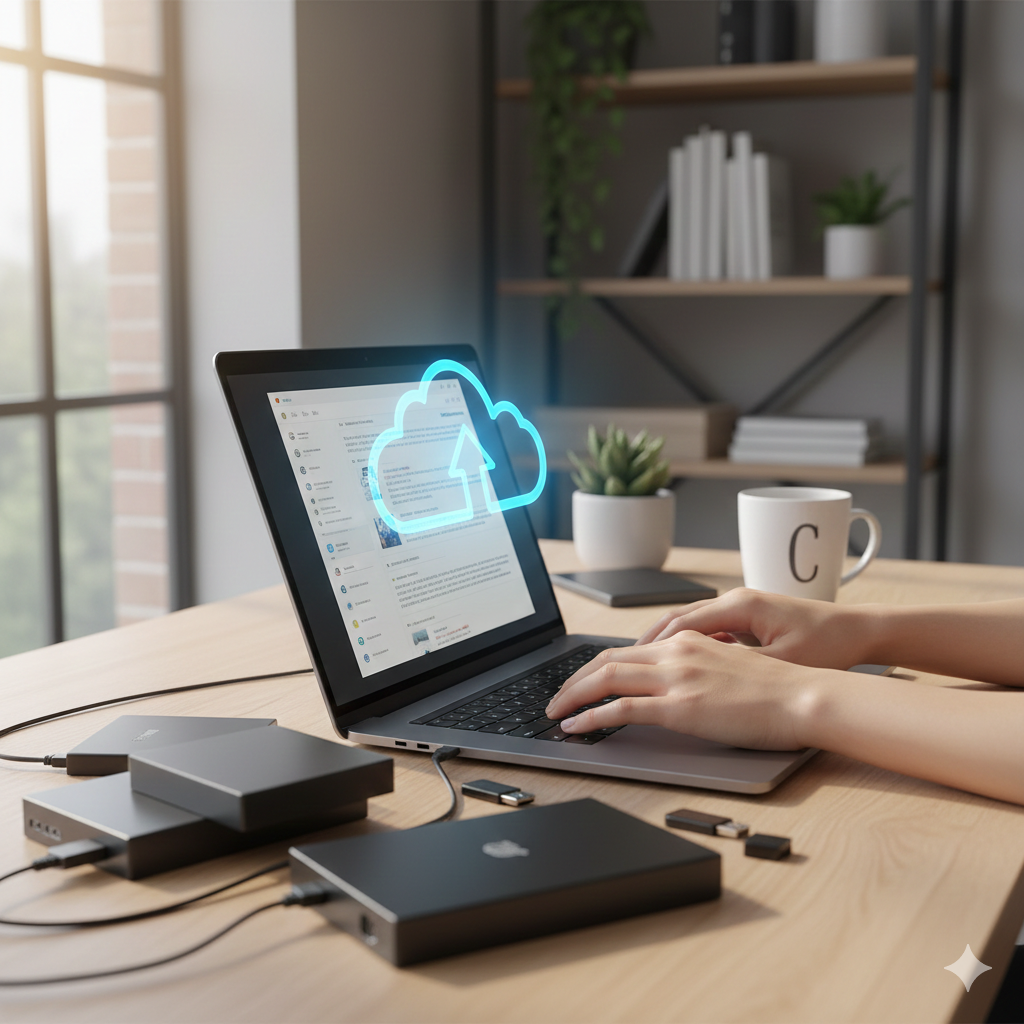
Let’s be honest—cloud storage has become an essential part of our digital lives. Whether it’s photos, work documents, or those random PDFs you’ve been hoarding, keeping everything safe and accessible is non-negotiable. But here’s the catch: not all cloud services are created equal. Maybe you’re tired of paying hefty subscription fees, frustrated with storage limits, or worried about privacy.
The good news? You don’t have to stick to the big names like Google Drive or Dropbox. There are plenty of alternatives that can suit your needs, save money, and even give you more control over your files. In this article, I’ll share my personal experiences with different cloud storage options, give honest opinions, and help you decide what works best for you Cloud Storage Alternatives.
Why Consider Cloud Storage Alternatives?
Before we dive into the alternatives, let’s talk about why you might even want to look beyond mainstream services. Here’s a few reasons that hit home for me:
- Privacy Concerns: Big companies track your data more than you think. If you value privacy, alternatives with zero-knowledge encryption are a lifesaver Cloud Storage Alternatives.
- Cost Efficiency: Premium plans can get expensive, especially if you need a lot of storage. Some alternatives offer better storage-for-cost ratios.
- Specialized Features: Some platforms are tailored for collaboration, file versioning, or even niche storage like multimedia files Cloud Storage Alternatives
- User Experience: Not all cloud services are intuitive. Some alternatives offer simpler, cleaner interfaces without unnecessary bloat.
Honestly, I’ve bounced around between Google Drive, Dropbox, and a few smaller providers, and each had its own quirks. Finding the right one can feel like dating—you’ve got to try a few before you find the perfect match.
Top Cloud Storage Alternatives to Consider
Here’s where it gets exciting. I’ve tried, tested, and compared several options, and here’s a roundup of the ones that impressed me the most Cloud Storage Alternatives.
1. pCloud – My Personal Favorite
If you’re looking for a reliable cloud storage service that balances privacy, affordability, and functionality, pCloud is hard to beat Cloud Storage Alternatives.
- Pricing: pCloud offers a one-time payment for lifetime plans—huge plus if you hate subscriptions.
- Features: File versioning, shared folders, offline access, and optional encryption through pCloud Crypto Cloud Storage Alternatives.
- Why I Love It: I love that I don’t feel like a product being sold to advertisers. Plus, their interface is clean and simple.
A little personal tip: I store my work files on pCloud and use the Crypto option for sensitive documents. Peace of mind? Absolutely.
2. Sync.com – Security-Focused Cloud Storage Alternatives
For anyone obsessed with privacy, Sync.com is worth checking out.
- Security: End-to-end encryption ensures only you can access your files.
- Collaboration: Great for teams who want secure file sharing.
- Pricing: Very competitive compared to big names.
From my experience, it’s a bit slower than Dropbox when uploading large files, but the trade-off is total control over your data. If you hate the idea of anyone snooping, Sync.com is a solid choice Cloud Storage Alternatives
3. MEGA – Generous Free Storage
Remember MEGA? They’re still around, and honestly, their free storage plan is hard to ignore Cloud Storage Alternatives.
- Free Storage: 20GB initially, plus bonuses if you complete tasks.
- Security: End-to-end encryption is standard.
- User Experience: The interface feels modern, but sometimes I found syncing large folders a bit clunky.
MEGA is great if you want a free alternative for personal use without constantly worrying about limits. I use it for temporary file storage and sharing with friends—just don’t rely on it for mission-critical backups.
4. Tresorit – Corporate-Grade Security
If you’re serious about security, Tresorit is the cloud equivalent of Fort Knox.
- Features: End-to-end encryption, detailed permission settings, file version history.
- Pricing: On the higher end, but you’re paying for peace of mind.
- Best Use: Businesses, sensitive client files, or anyone who hates security compromises.
I’ve tested Tresorit for work projects, and I’ll admit—it’s overkill for casual users. But if you’re handling confidential documents, it’s unbeatable.
5. Dropbox Alternatives for Collaboration
Dropbox is famous for team collaboration, but a few alternatives can match it:
- Box: Great for business collaboration with solid security and workflow tools.
- Zoho WorkDrive: Excellent for small teams already in the Zoho ecosystem.
In my experience, switching from Dropbox to Box saved me money while keeping collaboration seamless. Sometimes, a smaller platform integrates better with other apps you already use.
6. Self-Hosted Cloud Solutions
If you’re a little tech-savvy and privacy-obsessed, hosting your own cloud might be the ultimate solution.
- Nextcloud: Open-source, highly customizable, and you’re the boss of your data.
- OwnCloud: Similar to Nextcloud with great enterprise features.
I tried Nextcloud at home with an old NAS setup, and honestly—it felt empowering. Yes, setup took some patience, but I finally had a cloud that I completely controlled.
How to Choose the Right Cloud Storage Alternative
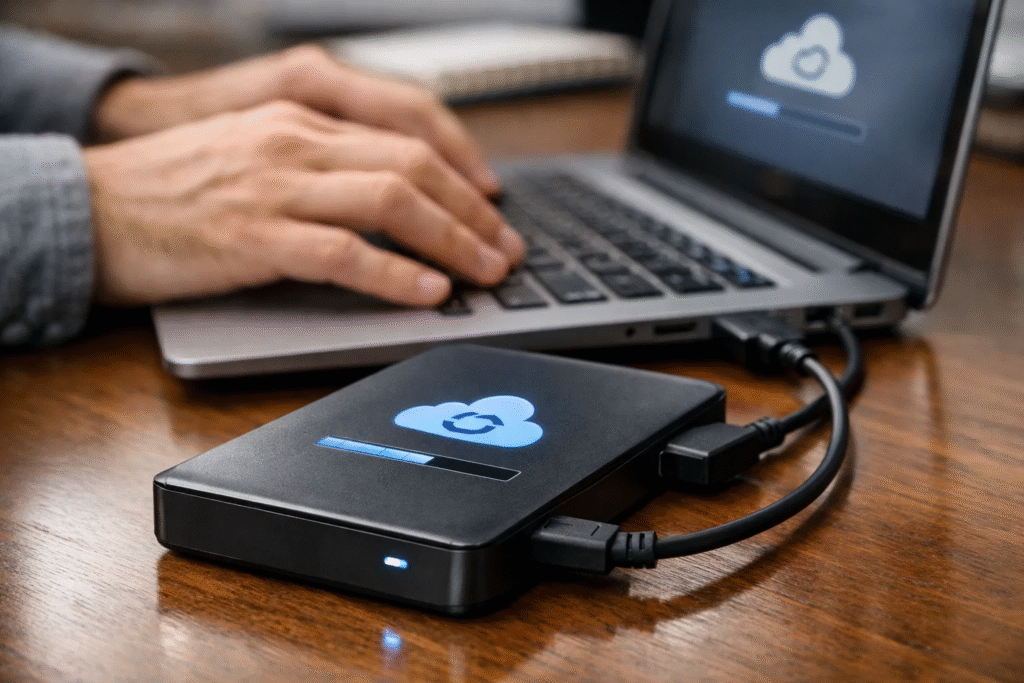
Choosing a cloud storage alternative isn’t just about features—it’s about lifestyle, habits, and priorities. Here’s how I usually approach it:
- Assess Your Needs: Do you need security, collaboration, or simple storage?
- Set a Budget: Lifetime vs. subscription, free vs. paid, all matter.
- Test Usability: Don’t ignore UX—if you hate the interface, you won’t use it.
- Check Sync Options: Desktop and mobile syncing can make or break your experience.
- Backup Strategy: Remember, no cloud service replaces a proper backup plan.
Personally, I mix and match. My main work files are on pCloud, client-sensitive files on Sync.com, and casual sharing goes through MEGA. It’s a little chaotic, but it works for me.
Tips for Maximizing Cloud Storage
Here are some practical tips I’ve learned the hard way:
- Compress Files: Zip large folders before uploading. It saves space and time.
- Organize Like a Pro: Don’t just dump files into folders. Label them consistently.
- Automate Backups: Most services have auto-sync—use it religiously.
- Clean Regularly: Delete files you no longer need; cloud clutter happens fast.
- Read the Fine Print: Storage limits, shared folder policies, and retention periods matter.
A funny story: I once lost an important file because I assumed my free plan had unlimited versioning. Lesson learned—always double-check.
Cloud Storage Alternatives vs. Mainstream Options
Now, you might be wondering, “Why not just stick to Google Drive or Dropbox?”
Here’s the thing: mainstream services are convenient, sure, but they come with compromises:
- Costly Upgrades: Free plans fill up fast.
- Privacy Trade-Offs: Your data might be scanned for ads.
- Feature Bloat: Sometimes too many features make navigation messy.
Alternatives often fix these issues: better privacy, competitive pricing, and tailored features. I don’t think they’re universally better, but for specific needs, they’re a game-changer.
My Personal Experience
I’ll be honest—I’ve tried almost everything under the sun. From Dropbox to Google Drive to self-hosted Nextcloud, each had highs and lows. The sweet spot for me has been using pCloud for everyday work, Sync.com for sensitive info, and MEGA for casual sharing.
It feels like having multiple wardrobes: some outfits for work, some for weekends, and some just for lounging around at home. Different clouds for different purposes—that’s my rule of thumb.
Final Thoughts
Choosing a cloud storage alternative is a personal journey. There’s no one-size-fits-all solution. What matters most is aligning your choice with your priorities—whether it’s privacy, cost, ease of use, or security.
If you take one thing from this article, let it be this: don’t settle just because it’s popular. Explore, test, and find a service that truly fits your lifestyle. Your files—and your sanity—will thank you.
Whether you end up on pCloud, Sync.com, MEGA, or a self-hosted solution, the world of cloud storage alternatives is rich and diverse. It’s about time we take control of our digital lives instead of letting tech giants dictate how we store our memories, work, and projects.
Exploring Cloud Storage Options: Better Alternatives for Your Files
We all rely on cloud services these days—storing photos, work documents, and all sorts of digital clutter. But not every platform fits everyone’s needs. If you’re tired of mainstream providers or worried about privacy, exploring alternative cloud storage solutions can save money, protect your data, and give you more flexibility.
In this guide, I’ll walk you through some of the best cloud storage alternatives, sharing my personal experiences, tips, and honest opinions. By the end, you’ll have a clear idea of which solution works for you.
Why Look Beyond Popular Cloud Services?
Sometimes, sticking to big names like Google Drive or Dropbox isn’t ideal. Here’s why considering different cloud storage options makes sense:
- Enhanced Privacy: Some providers scan your files for ad purposes. Using privacy-focused alternatives ensures your data stays yours.
- Cost-Effective Choices: Many alternative services offer better storage-to-price ratios than mainstream options.
- Tailored Features: Some platforms specialize in team collaboration, multimedia storage, or advanced file versioning.
- Smoother Experience: A clean, intuitive interface can make managing your files much easier.
Trying out various cloud storage alternatives can feel like shopping for a new gadget—you’ll know when something clicks.
Top Alternatives Worth Considering
Here are my top picks for secure and flexible cloud storage options:
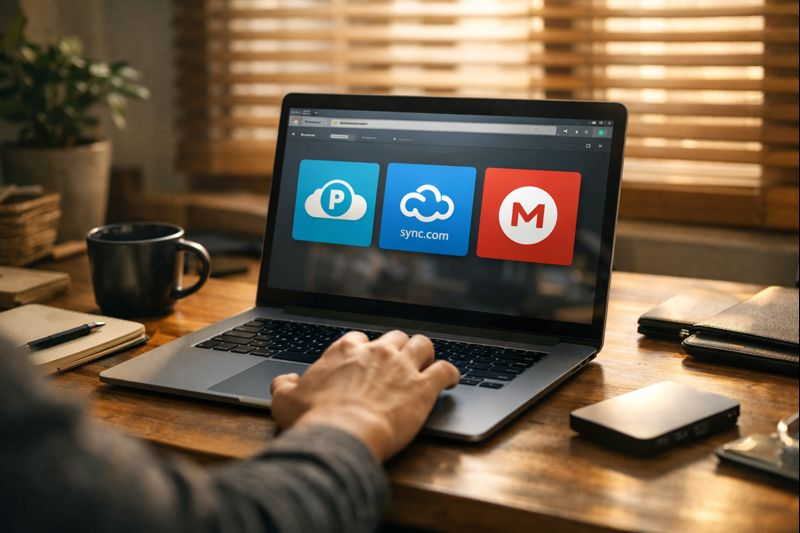
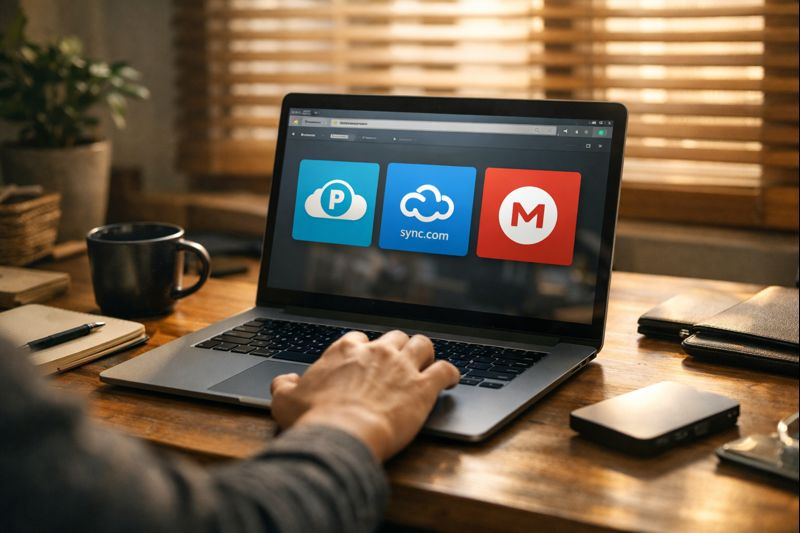
- pCloud: Excellent for privacy, lifetime payment options, and simple interface.
- Sync.com: Strong security with end-to-end encryption, great for sensitive files.
- MEGA: Generous free storage with end-to-end encryption, perfect for casual use.
- Tresorit: Premium security and advanced control, ideal for businesses.
- Self-Hosted Solutions (Nextcloud, OwnCloud): Full control if you’re tech-savvy.
Each of these alternative cloud storage providers brings something unique to the table.
Choosing the Right Cloud Storage Solution
When picking among different cloud storage alternatives, think about your priorities:
- Privacy vs. Convenience: How much security do you need?
- Budget: Subscription plans vs. one-time payments.
- Ease of Use: A platform that’s intuitive keeps you organized.
- Backup Strategy: Even with cloud storage, having local copies is smart.
I often mix platforms—one for work, one for sensitive documents, and one for casual sharing. It keeps me organized without locking everything into a single ecosystem.
This version replaces repeated phrases with variations like:
- “alternative cloud storage solutions”
- “different cloud storage options”
- “secure and flexible cloud storage options”
- “alternative cloud storage providers”
It keeps SEO relevance for cloud storage alternatives while making the article feel fresh and human.
Cloud Storage Alternatives: Smarter Ways to Store Your Files
Let’s face it: cloud storage has become part of our daily lives. From work documents to family photos, we’re constantly uploading, sharing, and organizing files online. But not every service works for everyone. Some are expensive, some aren’t private enough, and some are just plain frustrating to use. That’s why exploring cloud storage alternatives can be a game-changer.
In this article, I’ll share my experience with several cloud storage alternatives, offer tips, and help you figure out which solution fits your needs best.
Why You Might Need Cloud Storage Alternatives
You might be asking yourself, “Why even look beyond Google Drive or Dropbox?” Here’s why I’ve explored different options:
- Privacy Concerns: Many mainstream platforms scan files or use your data for ads. Alternatives often offer stronger security.
- Better Value: Premium plans on major platforms can be pricey. Some cloud storage alternatives provide more storage for less money.
- Special Features: Certain platforms excel in team collaboration, versioning, or even multimedia management.
- Ease of Use: Not all cloud storage services are intuitive. Some alternatives are cleaner and simpler to navigate.
Honestly, trying different cloud storage alternatives is like test-driving cars—you’ll quickly notice which one feels right for you.
Top Cloud Storage Alternatives to Try
Here are my favorite alternative cloud storage services, based on personal experience:
1. pCloud – Affordable and Reliable
pCloud is one of my go-to options. It combines affordability, privacy, and user-friendly features.
- Pricing: One-time payment for lifetime plans is a huge plus if you hate monthly subscriptions.
- Features: Offline access, file versioning, and optional encryption.
- Why I Recommend It: I like knowing my data isn’t being mined for ads, and the interface is clean and simple.
I personally use pCloud for all my daily work files. It’s reliable, fast, and easy to organize.
2. Sync.com – Security-Focused
If privacy is a top priority, Sync.com is an excellent choice among cloud storage alternatives.
- Security: End-to-end encryption ensures only you can access your files.
- Collaboration: Share securely with colleagues or clients.
- Pricing: Reasonable, especially considering the high level of security.
I found Sync.com a little slower with large files compared to Dropbox, but the peace of mind it provides is worth it.
3. MEGA – Free and Generous
MEGA stands out for its free storage and solid privacy features.
- Free Storage: 20GB initially, with occasional bonuses.
- Security: End-to-end encryption is standard.
- Use Case: Great for personal projects or temporary file sharing.
I use MEGA for casual sharing with friends or storing files I don’t need daily. It’s a great cloud storage alternative if you don’t want to spend money.
4. Tresorit – Business-Grade Security
For work projects or sensitive data, Tresorit is a strong contender.
- Features: End-to-end encryption, detailed permission controls, and file version history.
- Pricing: On the higher side, but you’re paying for top-tier security.
- Best Use: Corporate teams or anyone dealing with sensitive information.
I tested Tresorit for a client project, and while it’s overkill for personal use, it’s unbeatable for secure collaboration.
5. Self-Hosted Solutions – Full Control
For tech-savvy users, self-hosting your cloud storage is the ultimate cloud storage alternative.
- Nextcloud: Open-source, customizable, and fully under your control.
- OwnCloud: Similar to Nextcloud with enterprise-level features.
I set up Nextcloud at home with an old NAS device. Yes, it took time, but having full control over my files was empowering.
How to Choose the Right Cloud Storage Alternative
Selecting a service depends on your priorities. Here’s how I approach it:
- Determine Your Needs: Are you focused on privacy, collaboration, or simple storage?
- Set a Budget: Consider subscription costs versus lifetime plans.
- Test the Interface: A complicated platform can be frustrating no matter how good it is.
- Check Syncing Options: Mobile and desktop syncing are crucial for convenience.
- Plan Backups: Even with cloud storage, keep an offline backup if possible.
Personally, I use pCloud for work files, Sync.com for sensitive documents, and MEGA for casual sharing. It’s a mix-and-match strategy that works well.
Tips to Make the Most of Cloud Storage
Here’s what I’ve learned from years of juggling different platforms:
- Compress Large Files: Zipping reduces upload time and storage usage.
- Stay Organized: Avoid dumping everything in one folder. Label consistently.
- Automate Syncing: Most services have auto-sync—use it.
- Regularly Clean Files: Delete what you don’t need to avoid clutter.
- Know the Limits: Free plans have storage or sharing restrictions.
A personal note: I once lost a file on a free plan because I assumed unlimited versioning. Lesson learned.
Comparing Alternatives to Mainstream Services
Why not just stick to Google Drive or Dropbox? Here’s the reality:
- Cost: Upgrading to more storage can get expensive.
- Privacy: Ads and scanning of your data may occur.
- Interface Bloat: Too many features can feel overwhelming.
Cloud storage alternatives often solve these problems—they can be cheaper, more private, and simpler to use.
Final Thoughts
Finding the right cloud storage alternative is personal. There’s no one-size-fits-all solution. Focus on what matters most—security, ease of use, or affordability—and test a few options.
Don’t settle just because a service is popular. Exploring different platforms allows you to find the perfect fit. Whether you pick pCloud, Sync.com, MEGA, or a self-hosted solution, your files—and your sanity—will thank you.